ACTIVISM + NAVAJO AGRICULTURE
By: Kara Roanhorse Dec. 19, 2015
ACTIVISM AS DIRECT CHANGE
WHAT IS ACTIVISM + NAVAJO AGRICULTURE?:
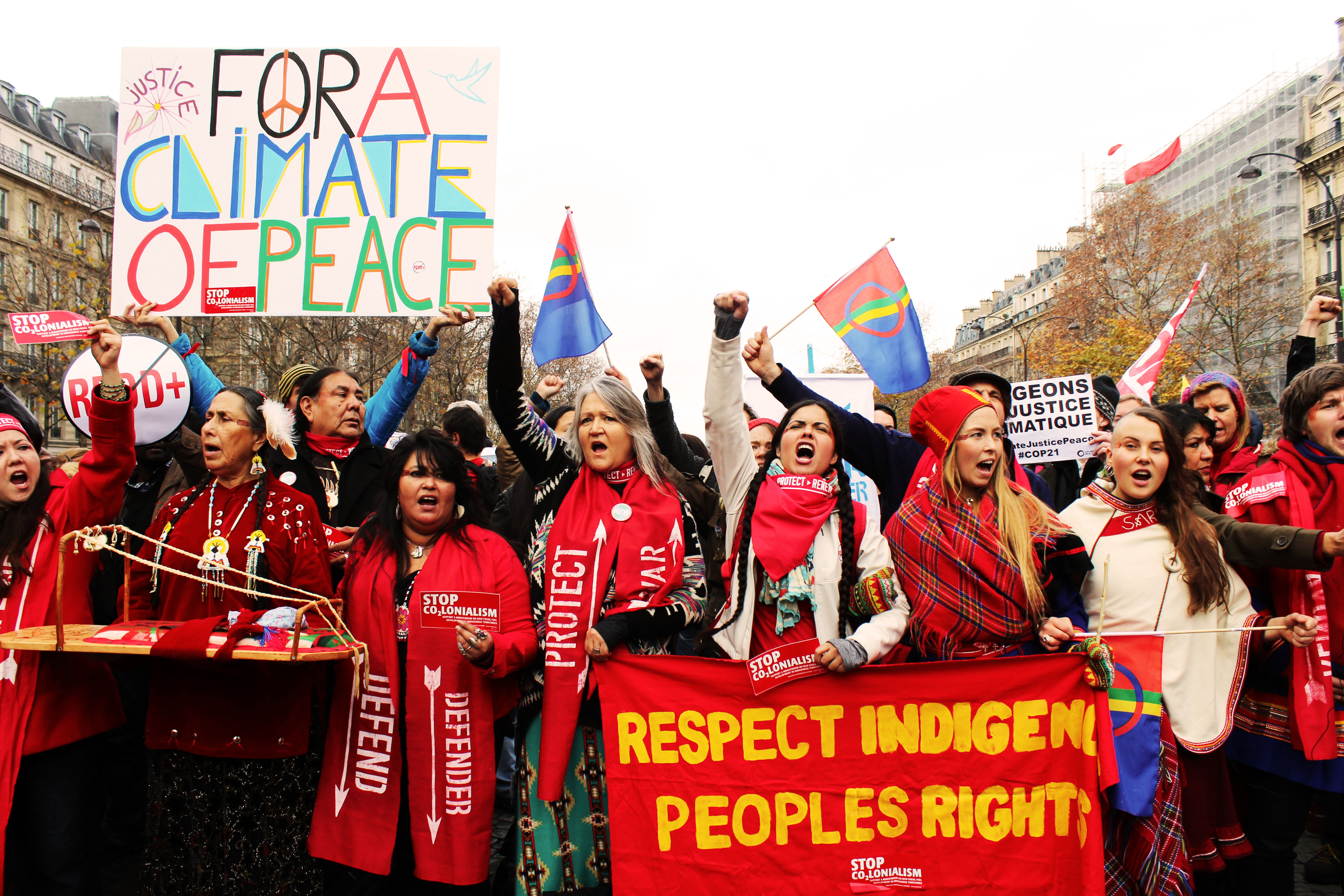
ACTIVISM: "the policy or action of using vigorous campaigning to bring about political or social change." It is not simply talking about radical change, but mobilizing through action.
ACTIVISM + NAVAJO AGRICULTURE: mobilizing for the sake of protecting the environment, air, water, land, self-determination, land rights, sovereignty, food sovereignty, etc. to bring about systematic change for the Navajo people.
Indigenous activists have done a great deal of work to make our future generations thrive. With the activism of our elders, youth are now faced with learning as much as they can to carry on this tradition of resilience and resistance. Through Navajo activism - activism by Navajo people - the power is truly with the people. Navajo people are stepping up against those who seek to profit off of the labor, land, and livelihood of our people.
thoughts on A HIstory towards change
"Our relationship to seventh generation principles of sustainability has been disrupted as shown by broken youth and elder relationships. It is heartbreaking, to witness and feel the brokenness because we aren't carrying on the strength and discipline of our tradition." - Diné Youth Activist
COLONIZATION and assimilation WRECKS OUR PEOPLE
Diné people - elders, youth, and those in-between are mobilizing for a better world in the Agriculture industry on the Navajo Nation reservation. Navajo Agriculture encompasses a way of life and thinking unique to the Navajo people. Our historical identity, social kinship, language, and traditional values all contribute to the ways our ancestors have lived and ways we strive to live today.
Colonialism caused the destruction of Navajo traditional knowledge and practice. In the 1800's, the Navajo people suffered a great loss of their lands, as they were forced onto the Long Walk. Such a walk brought about great suffering, death, and desolation to our way of life. After the Long Walk, colonialism sought to assimilate our people and all the generations after.
From a Diné youth, "I am thinking about the devastating effects of how the elders and my generation (I'm getting to elder stage) keep wringing our hands and moaning about language and cultural loss, blaming our young for it while averting our gaze regarding the consequences of colonialism."
Colonialism is the reason why our culture is in danger and why we've struggled to maintain what we have left. "Decolonizing" is a process of recognizing our colonization, but in doing so we can resist further exploitation through the reclamation of our traditions. Thus, Philosophy and Practice are needed.
Assimilation was notably seen through the Boarding School Era, However, assimilation happens today. The US has committed genocide against it's Native people and genocide against their cultures. For the Navajo, while they still have a culture intact, it is dying a slow death through the replacement of Western thinking. Assimilation must be fought with resistance by remembering our history, culture, and values.
The Treaty of 1868 states that the US government is responsible to take care of the People, in exchange for their land. Our land is not our land.Through a Federal Indian Law perspective, no Native Nation actually owns their land because it is belongs to the US. Sovereignty of Native people means that our government still has ultimate control over what we do, regardless of how much freedom they may seem to give to their Native people.
BACK IN THE 1900'S to Early 2000's
The Navajo government was established because western industries wanted to make dirty business deals with the Navajo people and there was no system in place for "fair" transactions to take place. Thus, the Navajo government was created for economic development, for better or for worse. Over the years, we've seen that westernized government has caused damage by way of political corruption.
Our government was made solely for the economic benefit of those who sought to profit off of our land. From the Livestock Reduction Act, to our Water Rights, our Rights as Navajo people have never been truly respected and prioritized by the US government. The US conquered and slaughtered our people The US stole our land, forced us onto a reservation, and continues to break their promises they made through the Treaty of 1868.
Sovereignty and Self-Determination were developed in the 1900's and are important words in how we phrase the rights of Native Nations. These concepts are how Navajo people are using US laws and policies in their own favors for their own needs. Although Native Nations can never be truly "sovereign" in the way countries like the US are, there is hope that we will one day live in world free of exploitation.
We are scarred by the legacy of our Navajo government's political corruption and western corporate greed. Our Navajo government and US government are responsible for the decline of traditional knowledge, especially in Agriculture. Land, water, air, and the overall environment are all affected by this political corruption promoted by Western government models. To protest westernization and mobilize in favor of our indigenous resistance is revolutionary.
TODAY
Today, our Navajo Government is corrupted. There is now a sense of corrupted traditionalism - where old Navajo men are deciding what's best for our people. We have heard that "women cannot be leaders, it is not traditional" when Navajo people are matriarchal. Our government does not have laws that protect our LBGTQ+ relatives and instead outcast them out. Our internalized white supremacy is very deeply embedded in our bones that we resort to being anti-Black/Latino/Asian. We cannot forget our lack of solidarity with our neighboring tribes and how we fight them in court over land and other resources. These all stem from our colonization and assimilation, but we cannot let this to go on. This is not who are supposed to be as Navajo people. We have to reject "the gift of democracy" in order to be liberated.
What we have in front of us, are positive answers to our questions. It now time to prioritize our traditional knowledge, with an emphasis on the youth-to-elder relationships. The most important work is to recondition the minds of our people, so that we are always pushing the boundaries for significant change. Grassroots organizing is not simply yelling and disturbing the peace. Mobilizing is intellectual and inspiring because civil society has a voice worth hearing. Through activism, we have a voice straight from the people who are being directly affected by dirty deals and corrupted governments. Activism is needed today and yesterday for the sake of our ancestors. It is our right as civil society members and we must exercise it in any way necessary. Against all odds, we demand a better future for our kids, their grandchildren, and all generations thereafter.

A Call For action
The development of solidarity against the flawed system is essential to solving the oppression and marginalization. Seeking to rectifying sexism, cis-sexism, hetero-patriarchy, ablism, imperialism, and other isms are necessary for system change.
Therefore, guiding research questions are necessary to form an in-depth understanding to a sustainable, equitable and healthy Navajo agriculture sector and greater societal structures. Questions such as:
-
Where are the tangible and intangible examples of activism in Navajo agriculture?
-
How do the rights of Diné people and other indigenous groups contribute and empower the rest of the world?
-
How does one become involved with the current and future projects of Diné activism in Agriculture & beyond?
-
Where is the emphasis on the youth-to-elder knowledge sharing?
While there is information on this page, it is ultimately up to the viewer to look into projects that interest them & begin to formulate their own answers to these questions. The sole purpose of this page is to point people in the right direction. Now is the time to take action.
EXAMPLES OF DINÉ ACTIVISM.

The rights of our people are not recognized as sovereign.
our people will continue to fight, in SOLIDARITY with other indigenous peoples.
The current and future projects are mounting & now is the time for our liberation.
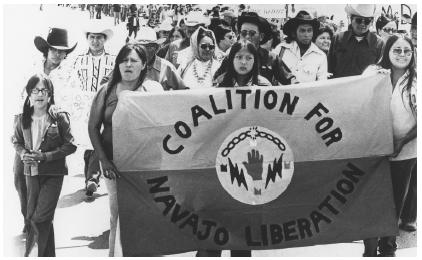
Below lists Agriculture + Activism Related Projects:
Against the Greedy Industries
- BMWC (Black Mesa Water Coalition)
- Black Mesa Water Coalition is dedicated to preserving and protecting Mother Earth and the integrity of Indigenous Peoples' cultures, with the vision of building sustainable and healthy communities. BMWC strives to empower young people while building sustainable communities. BMWC was formed in 2001 by a group of young inter-tribal, inter-ethnic people dedicated to addressing issues of water depletion, natural resource exploitation, and health promotion within Navajo and Hopi communities. As young Navajo people brought up in our traditions, and reborn in the environmental justice movement, we at BMWC know we must break our dependence on the fossil fuel industry in order to realize the true potential of our Navajo and Hopi people. Over our past ten years, BMWC has grown up in many ways, transforming our self from a small, unfunded, primarily reactionary student group to a well-established, non-profit organization that utilizes proactive strategies such as green economic development. We continue to be strongly led by young adults while relying on an inter-generational support network. We hold at our foundation the concept of empowering our people and working in collaboration with surrounding communities and organizations to address the problems we collectively face. True to our roots, our work is focused on the Black Mesa region. However, because of the region's role as a linchpin for the energy infrastructure of the southwest, the potential impacts of our work span across the Navajo Nation, the southwest, and the country. Combined, our three main program areas force a transition away from the fossil fuel economy, put in place a green economy to replace it, and ensure long-term support for a diversified, community-owned and sustainable way of life.
- Diné Walkers
- Navajo women are walking to protect their land against fracking. After 19 days and 226 miles, they were able to reach Mt. Taylor from the San Francisco Peaks. Kim Smith explains why she did it, "It's my responsibility as a Diné woman. This is modern scouting! To defend mother earth from injustices of the oil industry and from other injustices in our communities, we have to walk, see, explore. Violence on our land is violence to us. We could see it it and feel it as we walked through. We have responsibilities as mothers and daughters. In our community, female leadership is frowned upon. But women lead this movement! We must go back to our holy people. It's different discipline and courage, but we're ready. 85% of Navajo Nation's revenue comes from extractive industries. We need alternations. We carry the Southwest on our backs. No Superbowl without us! Navajo Nation energy and water powered that event." Email nihigaalbeeiina@gmail.com to join and/or for more information.
Promoting Tradition
- Diné be’ iiná (The Navajo Lifeway)
-
Diné be’ iiná, Inc. is a grassroots, nonprofit organization founded in 1991. Diné be’ iiná, means the way that we, the people live. We promote a sustainable livelihood through the Navajo Way of Life. Traditionally, this has been sheep, wool, and weaving and whatever comes from that. Our agro-pastoral lifeway and our Navajo-Churro Sheep evolved in the vast deserts, plateaus, and mountain ranges of Colorado Plateau. For centuries, sheep and goats provided us with economic self-sufficiency. Diné culture and spiritual practices reflect to the ebb and flow of traditional shepherding and weaving practices. Our mission is to is to restore the balance between Navajo culture, life, and land. We seek to preserve, protect, and promote the Navajo way of life; to encourage the participation and cooperation of the Navajo people among themselves and with other people and organizations; and to engage in research, education, development, establishment and promotion of projects and activities which further these ends. We provide education and outreach to assist sheep and goat producers, and fiber artists sustain economic self-sufficiency. Our curriculum address issues relevant to Dine’ producers. Since 1996 we have conducted Sheep is Life Celebration. This annual event that celebrates traditional shepherding and fiber arts cultures from around the world. While serving all sheep producers and fiber artists, DBI is particularly dedicated to conserving the traditional Navajo-Churro Sheep breed, T’aa Dibei. DBI’s Goals are to restore status to sheep herding, wool processing, and fiber arts, and to promote the education that is necessary for their pursuit. We seek to develope value added sheep and wool products and help producers gain access to markets. DBI’s activities provide leadership, economic development, and support for traditional lifeways of Navajo shepherds and fiber artists.
Water & Water Rights
- Diné Water Rights
- The facebook page is a compilation of different stories, events, and humorous memes that all relate to Navajo Water Rights. The intended audience is for youth and young adults.
- Tó Łání Lake Enterprises Inc.
-
Tolani Lake Enterprises, Inc., is a 501(c)3 non-profit based in Tolani Lake, Arizona, which is situated in the Western Agency of the Navajo Nation. TLE was incorporated in June of 2000. The founder, Ronald K. White, originally created it to be a springboard for economic development in Tolani Lake, Leupp. Birdsprings, and the surrounding areas. This tri-community area is rich in agricultural knowledge, tradition, and family. However, because of a variety of socioeconomic factors, these communities also suffer from high unemployment rates, a high rate of families living below the poverty line, and very little economic opportunities. He envisioned TLE to be a place where native-based businesses could come for technical support and information on how to start and maintian a business on the Navajo Nation. One of our initiatives, Conservation Planning – Restoring the health of the land relies on renewing and strengthening relationships between the people and the land, with all its elements - water, soil, plants, animals, and the changing conditions of place. With support from the Christensen Fund, Colorado Plateau Foundation, and First Nations Development Institute, over the past two years we have helped build a grassroots coalition across the Little Colorado River watershed in the southwest corner of Navajo Nation to conserve precious water and restore the health of the land. We took the first steps to build a corps of Navajo conservation planners. Our goal was to build local capacity to meet the backlog of conservation plans needed to access federal funding for on-the-ground conservation work. Together we trained eight planners, seven are Navajo speakers. Long, hard work by committed grassroots community-based organizations and elected leaders have led to an exciting new watershed organization and funding from Navajo Nation to complete a yearlong community-based conservation planning and capacity building project. The Little Colorado Watershed Chapters Association (LCRWCA),http://nalcrwaa.org a group of 20 Chapters, will work over the next year to increase community capacity in conservation planning, conduct community visioning sessions to identify priority projects, and work with Chapters to develop shovel-ready proposals to take to funding partners for implementation.
Food Sovereignty
- Slow Foods: Navajo Churro Sheep Presidium
-
Despite the tremendous obstacles to its survival, the Navajo-Churro has been championed (and revitalized) by many individuals and organizations over the last three decades, including Dr. Lyle McNeal of Utah State University, the American Livestock Breeds Conservancy, the Navajo-Churro Sheep Association, Diné Be’ina, Black Mesa Weavers for Life and Land, and Center for Sustainable Environments at Northern Arizona University. Slow Food now joins a handful of these organizations and an esteemed group of shepherds to develop and support the marketing of Churro meat. The Presidium’s initial work with the breed takes place on the Navajo Nation. The Presidium organizes a directory of producers of registered Navajo-Churro sheep who have access to appropriate processing facilities and are willing to direct-market their surplus lambs to individuals, restaurants, markets, and CSAs in Arizona, Colorado and New Mexico. The Presidium will also produce a guide to a “fair trade” business plan based on 200 head per year being produced by a geographically cohesive cluster of shepherds. Lastly, the Presidium will develop promotional events, dinners, taste workshops, and agri-tourism visits, designed to give producers and chefs feedback on the qualities and limitations of Churros being produced as a multi-purpose animal.
Environment
- Diné CARE
- Diné CARE is located on the Navajo Nation and is a non-profit organization that works with many Navajo communities affected by energy and environmental issues. Since the late 1980s, community people have stood up and demanded for environmental protection and sustainable development practices, bringing systemic changes in tribal politics and making the grassroots voices evident in the realm of energy development. Diné CARE, Citizens Against Ruining our Environment, is an all-Navajo environmental organization, based within the Navajo homeland. We strive to educate and advocate for our traditional teachings as we protect and provide a voice for all life in the Four Sacred Mountains. We promote alternative uses of natural resources that are consistent with the Diné philosophy of Beauty Way. Our main goal is to empower local and traditional people to organize, speak out and determine their own destinies.Diné CARE - an indigenous environmental organization to protect and preserver the diné way of life.
- Indigenous Environmental Network
- Established in 1990 within the United States, IEN was formed by grassroots Indigenous peoples and individuals to address environmental and economic justice issues (EJ). IEN’s activities include building the capacity of Indigenous communities and tribal governments to develop mechanisms to protect our sacred sites, land, water, air, natural resources, health of both our people and all living things, and to build economically sustainable communities.IEN accomplishes this by maintaining an informational clearinghouse, organizing campaigns, direct actions and public awareness, building the capacity of community and tribes to address EJ issues, development of initiatives to impact policy, and building alliances among Indigenous communities, tribes, inter-tribal and Indigenous organizations, people-of-color/ethnic organizations, faith-based and women groups, youth, labor, environmental organizations and others. IEN convenes local, regional and national meetings on environmental and economic justice issues, and provides support, resources and referral to Indigenous communities and youth throughout primarily North America – and in recent years – globally.
- Movement Generation Justice & Ecology Project
- Movement Generation Justice & Ecology Project inspires and engages in transformative action towards the liberation and restoration of land, labor, and culture. We are rooted in vibrant social movements led by low-income communities and communities of color committed to a Just Transition away from profit and pollution and towards healthy, resilient and life-affirming local economies.
- REDOIL (Resisting Environmental Destruction on Indigenous Lands)
- REDOIL is an Alaska Native Grassroots Network of the Inupiat, Yupik, Aleut, Tlingit, Eyak, Gwich’in and Denaiana Athabascan Tribes who came together in June 2002 in Cordova, Alaska to form a powerful entity to challenge the fossil fuel and mining industries and demand our rights to a safe and healthy environment conducive to subsistence. REDOIL aims to address the human and ecological health impacts brought on by unsustainable development practices of the fossil fuel and mineral industries, and the ensuing effect of catastrophic climate change. We strongly support the self-determination right of tribes in Alaska, as well as a just transition from fossil fuel and mineral development to sustainable economies and sustainable development. The three core focus areas of REDOIL are: (1) Sovereignty and Subsistence Rights, (2) Human and Ecological Health, and (3) Climate Change and Climate Justice
Film
- Paper Rocket Productions
-
Founded by Deidra Peaches and Jake Hoyungowa in 2011, Paper Rocket Productions is a company highly regarded for their work in Northern Arizona. The Film Production Industry is an untapped industry in the Northern Arizona region, especially on Native American land. We are committed to strengthening our services with local grassroots organizations, non-profit, local corporations, small business owners and other media professionals within Navajo and Hopi land. Our company will develop a network for Native Filmmakers who aspire to work with their communities and people to tell their story. We produce documentaries, short films, promotional video and commercials.
Climate Change
- Northern Arizona University's Climate Change Education Project
- An education program with Navajo leadership promoting activism against climate change.
- Grassroots Global Justice Alliance
- Grassroots Global Justice (GGJ) is a national alliance of US-based grassroots organizing (GRO) groups organizing to build an agenda for power for working and poor people and communities of color. We understand that there are important connections between the local issues we work on and the global context, and we see ourselves as part of an international movement for global justice. GGJ focuses on bringing GRO organizations into a long-term process of relationship building, political alignment and the development of transformational leadership, particularly for working and poor women and gender-oppressed people of color. The membership of GGJ adopted a framework in 2011 that calls for a holistic approach to building grassroots global justice: No War, No Warming, Build an Economy for the People and the Planet, echoing the framework of Dr. Martin Luther King’s philosophy of the Triple Evils of Poverty, Racism and Militarism. We weave and bridge together US-based GRO groups and global social movements working for climate justice, an end to war, and a just transition to a new economy that is better for people and the planet.
To learn more about social justice activism leave your information!